More than 1.8 billion people menstruate every month. In fact, at least half of the people on Earth will have a period at some point in their lives.
Yet, menstruation is still stigmatized and misunderstood. And an estimated 500 million individuals lack access to period products and adequate facilities for taking care of their period in a healthy and dignified way.
Sahil Tesfu, Chief Strategy and Sustainability Officer of the Essity Group, is working with Essity to change that.
Menstrual Health Is a Pathway to Gender Equality
For Sahil, menstrual health equity is more than just a girls’ and women’s issue — it’s a matter of human rights, gender equality and sustainable development. It’s about confronting universal challenges around health, care, and dignity.
“By removing the obstacles that prevent women, girls, and people who menstruate from accessing menstrual health, they can participate more fully in society, attend school and work, contribute to economic development, and lead full professional and personal lives,” Sahil says. This is a message that’s also central to Essity’s work on breaking barriers to well-being and closing the menstrual health gap. “[It] is the smart, and right, thing to do,” she adds.
Menstruation, gender equality, and economic development are intertwined. And advancing them will lead to more equitable participation in systems that accelerate action across all 17 of the Sustainable Development Goals.
That takes serious innovation and collaboration.
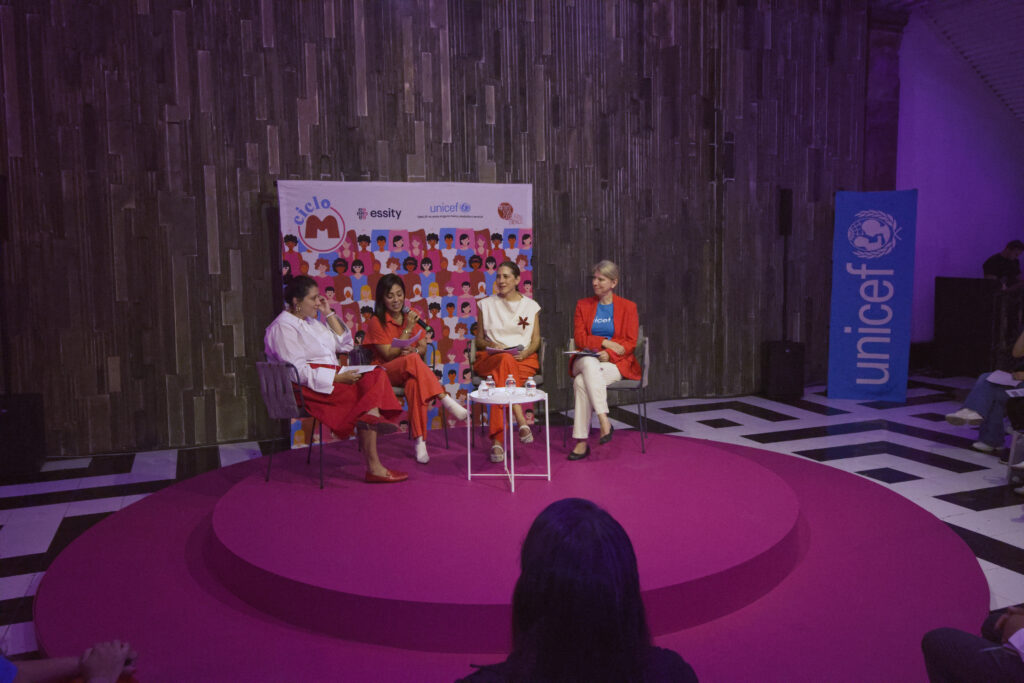
Essity’s “Hygiene is our right” initiative, in collaboration with UNICEF Mexico and Menstruación Digna México, highlights how public-private partnerships can help close the menstrual health gap. Photo: Essity Group
Products, Partnerships, and Policy
Essity works with partners across sectors to bring relevant products to market, reaching 1 billion people across 150 countries. This includes period care products, services, and solutions.
As part of Essity’s work in menstrual health, multi-sectoral partnerships are essential. Working across sectors is key to enable a shift in policy conducive to menstrual health and to create systemic change. “Engaging with partners such as the United Nations Foundation enables greater reach and has opened pathways to further partnerships”, Sahil says.
A number of governments have recognized menstrual health as key to public health and integrated it in relevant policy areas. This is important progress amidst menstrual health cuts.
Essity has found five key areas where gaps must be closed to ensure menstrual health:
Access to safe and affordable period care products
Access to clean water and safe and private sanitation facilities
Access to inclusive and accurate menstrual health knowledge, information, and education
Access to care, treatment, and timely diagnosis for menstrual discomfort and disorders
A taboo and stigma-free environment
Essity is tracking global progress across these areas, and while there is momentum in the global effort to close the menstrual health gap, the pace of progress is still too slow.
“Businesses can’t do it all. We can leverage our innovative capacity to provide the products, but we can’t ensure clean water infrastructure, set policies, or influence school curriculums,” Sahil says, “It also takes the public sector to advance menstrual health. That’s where the public-private partnerships come in.”
Essity’s “Hygiene is our right” initiative in Mexico paints a powerful picture of how such partnerships can lead to lasting policy change. Through their Saba brand, they collaborate with UNICEF Mexico to close the information gap for girls and boys and engage local civil society organizations. Essity also collaborated with the Mexican Government, Menstruación Digna, and UNICEF Mexico to create the first-ever menstrual health survey to set a baseline that has led to policymaking on menstrual health.
“We work with UNICEF and civil society organizations because we believe in the power of these organizations to have sustainable impact beyond programmatic approaches,” Sahil adds, “We can do a lot more together than we can do alone.”
The work Sahil and the Essity team does is purpose-driven, supporting people to live healthier lives in a world that is more sustainable and equal for everyone — and everywhere.
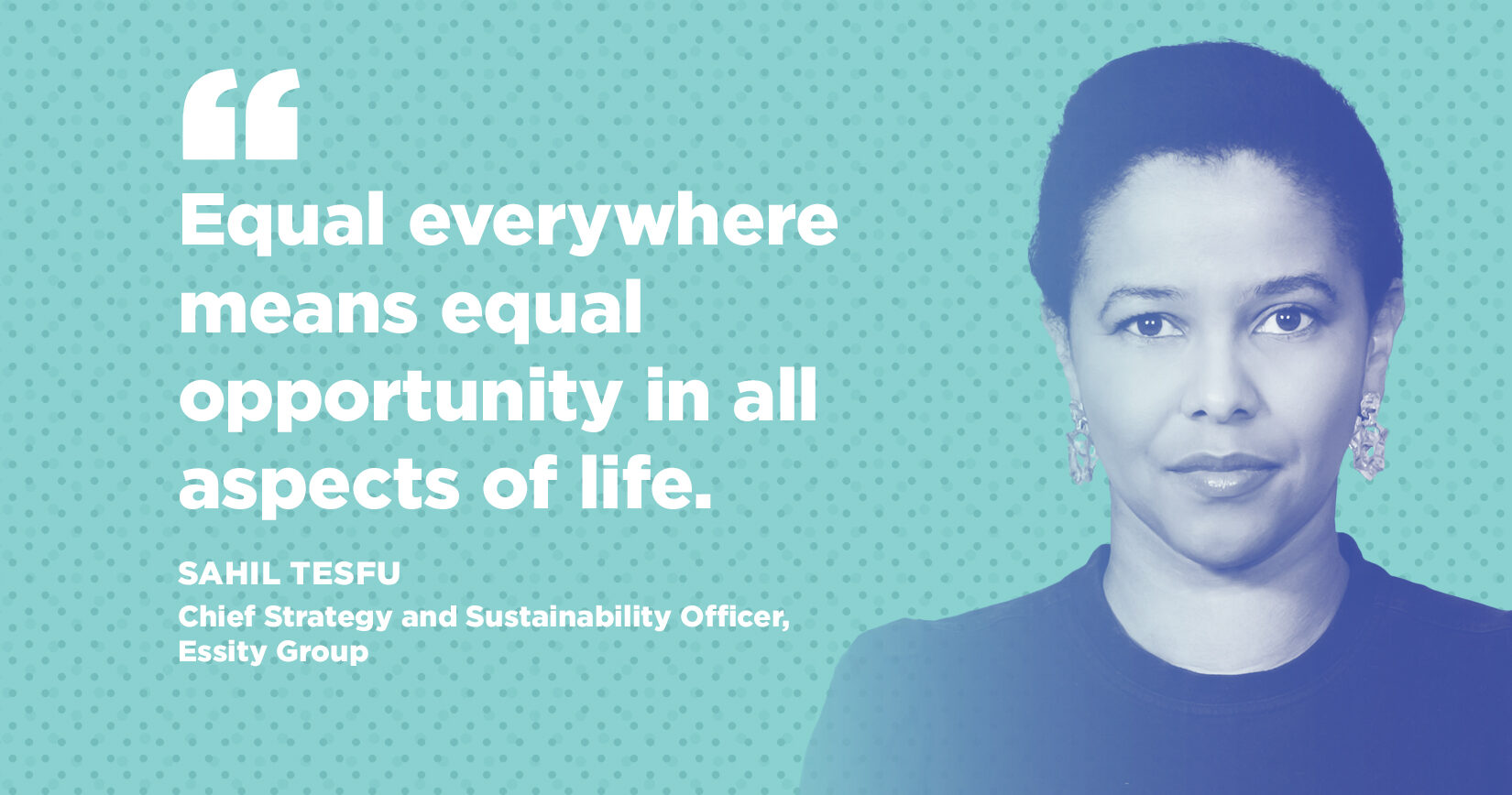
“#EqualEverywhere means equal opportunity in all aspects of life. Equal opportunity to have access to education, to experience health, to be safe and happy, and then to seize your opportunities. If everyone is leveled to the same starting point, then that’s the world I find exciting to live in,” Sahil says.
Dive Deeper
If you are inspired by Sahil’s work, read more about Essity’s commitment to address the menstrual health gap and improve the well-being of women around the world. Learn More >>
Interested in learning more about how UNICEF is responding to menstrual challenges? Read Here >>
 BACK TO STORIES

